Table of Content
More than a third of people in the UK now identify as flexitarian – or part-time vegetarian - mixing meat-free days and vegetarian recipes with meals that do incorporate animal products. "The bathroom is a prime example of where the addition of a recycling bin can dramatically reduce the amount of waste you send to landfill," the brand points out. So, there's never been a better or more important time to get informed about how to live more sustainably and do your bit to save the world. From being a little more conscious with our energy usage, to shopping with sustainable clothing brands, sustainable living is easier than you think. Sustainable living doesn't mean changing your whole life for the cause of climate change.

The wind energy produced in Denmark, for example, provides about 10 percent of the country's total energy needs. These methods of energy production emit no greenhouse gases once they are up and running. This vulnerability was judged to have contributed to Africa's weak adaptive capacity, resulting in Africa having high vulnerability to future climate change.
Cut down on plastic
Placing vulnerable countries on a path to climate resilience and green development would benefit debtors and creditors alike. That is why the international community, and the G20 countries in particular, must agree on a comprehensive debt-relief initiative that would enable distressed countries to fund green projects in exchange for partial debt forgiveness. Green your workplace with the help of rooftop gardens and cool roofs, sustainable landscaping, and renewable energy technologies such as solar panels. Partly this was attributed to their low adaptive capacity and the high costs of adaptation in proportion to their GDP.
For instance, if you're paying your own utilities, you often can buy clean electricity. In many states, including California, Texas and most of the Northeast, you can get your power from companies that purchase wind or solar electricity and add it to the grid for you to use. In many places you can also buy a share in a solar project nearby called "community solar."
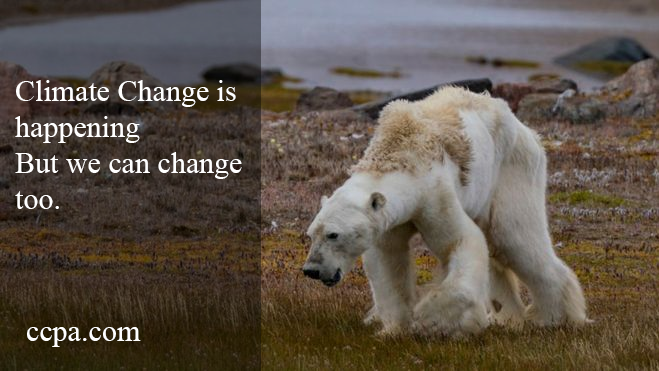
Take on climate change at home and cut carbon emissions. Here's how
But modern activities— such as plugging in devices, driving cars, and cooling homes—often rely on energy sources such as natural gas, oil, and coal. Those energy sources release a gas called carbon dioxide into the atmosphere. When CO2 and other greenhouse gases trap heat that would otherwise escape Earth’s atmosphere, the planet’s temperature rises. It takes lots of energy to pump, treat, and heat water, so saving water reduces greenhouse gas emissions. Three percent of the nation's energy is used to pump and treat water, so conserving water conserves energy that reduces greenhouse gas pollution. Reduce the amount of waste you generate and the water you consume whenever possible.
There is a trade-off between agricultural production and the restoration of ecosystems in some areas. Ecosystems adapt to global warming depending on their resilience to climatic changes. Possible responses include increasing connectivity between ecosystems so that species can migrate on their own to more favorable climate conditions and assisting their migration through human transport of plants or animals. Protection and restoration of natural and semi-natural areas also helps build resilience, making it easier for ecosystems to adapt.
Ways to Fight Climate Change At Home
You need transportation, electricity, food, clothing, and other goods. There was a time when a renewable electricity or gas tariff was difficult to find and it would cost you more to be green. There are several energy firms that now offer part or all renewable energy at no extra cost. We need to get to net zero greenhouse gas emissions by 2050 and everyone has a role to play. You can reduce your carbon dioxide emissions by about 550 pounds by not using hot water on two loads of laundry a week.
If any of these appliances are old, they're probably a lot less efficient than the latest technology. Homes and commercial buildings account for about a third of the country's greenhouse gas emissions, because it takes energy to heat and cool them and to power all the gadgets we've got plugged in. Much of that energy, whether it's electricity from a power plant far away or heat from a gas furnace in your basement, comes from burning fossil fuels, which releases greenhouse gases. When food waste goes to landfill it rots and produces methane, a greenhouse gas with a 100-year global warming potential of up to 34 times that of carbon dioxide. At the 2009 Copenhagen Summit, nations committed to the goal of sending $100 billion per year to developing countries for climate change mitigation and adaptation by 2020.
It is different from fission, in which a reactor shoots a neutron into an atom of uranium, splitting into two smaller atoms. If you’re too young to vote, encourage your class or school to join a Student Vote program, which provides students the opportunity to experience participation in the election process. You can also talk to your parents about the importance of voting for climate action. We can’t do that without finding common ground with those who may not share our perspective. The decisions we make about food can have a profound effect on the environment.
It's an important breakthrough, but fusion power remains a distant dream. Social scientists believe this occurs because we constantly evaluate what our peers are doing and we adjust our beliefs and actions accordingly. When people see their neighbours taking environmental action, like conserving energy, they infer that people like them also value sustainability and feel more compelled to act. Some of the ways you can help may have to wait until you are a little older—like choosing an energy-efficient car, installing solar panels on the roof of your house, or choosing a "green career." Make sure your home is properly insulated so the energy you use to heat your home isn’t wasted. About 60% of what you spend on your energy bill in a year is on your boiler.
For example, the Plant-for-the-Planet initiative allows people to sponsor tree-planting around the world. It takes energy to produce water, so the more water you save, the more energy you save. Much of the debate about climate change and debt focuses on debt-for-climate (also known as debt-for-nature) swaps, which enable countries to erase some of their debt in exchange for funding domestic climate projects. While such arrangements represent a welcome funding source for critical conservation efforts, their high transaction costs and limited volume make them unsuitable for addressing a debt crisis of systemic proportions. In Bali, the leaders of the world’s biggest economies mostly reiterated their previous positions on the debt crisis, with only minor adjustments.

Swap old incandescent light bulbs for the new compact fluorescent lights . We can help to keep it magnificent for ourselves, our children and grandchildren, and other living things besides us. Call A-Plan now to see how we can help save money and make finding the right insurance cover that little bit easier. David Attenborough’s latest BBC documentary Climate Change – The Facts is “a rousing call to arms” that is “designed to do for climate change denial what 2017’s Blue Planet did for single-use plastic,” says Rebecca Nicholson in The Guardian. We are the official overseas relief and development agency of the United States Conference of Catholic Bishops and a member of Caritas Internationalis.
Check out this UNEP guide to see what else you can do as part of the UN Decade on Ecosystem Restoration, a global drive to halt the degradation of land and oceans, protect biodiversity, and rebuild ecosystems. Hanging clothes out to dry requires no electricity or natural gas use. A fridge and freezer account for about 7% of the average household energy bill, with those built in the 2000s using up to five times more electricity than newer models. So, if your white goods are over 12 years old, it might be time to consider upgrading to a newer, more eco-friendly model.
Reuters, the news and media division of Thomson Reuters, is the world’s largest multimedia news provider, reaching billions of people worldwide every day. Reuters provides business, financial, national and international news to professionals via desktop terminals, the world's media organizations, industry events and directly to consumers. Even if you can’t install solar panels or a wind turbine, you can still be a part of the clean-energy economy. As a member, you’ll own part of the co-op’s renewable energy projects and will receive a return on your investment. You can also speak to your financial adviser about clean energy/technology investments. Installing solar panels is a great way to reduce your household emissions and save money on electricity bills.
International transport, including maritime and air shipping, also has an impact. Groceries shipped from Chile and Australia to Europe, or the other way around, have more ‘food miles’ and usually a higher footprint than local produce. But this is not always the case, as some countries grow out-of-season crops in energy-intensive greenhouses – so the best approach is to eat food that is both locally grown and seasonal. Fighting climate change isn’t just about what you do indoors, your garden is a powerful weapon too.
Individuals can also spur change through their savings and investments by choosing financial institutions that do not invest in carbon-polluting industries. This sends a clear signal to the market and already many financial institutions are offering more ethical investments, allowing you to use your money to support causes you believe in and avoid those you don’t. You can ask your financial institution about their responsible banking policies and find out how they rank in independent research. Instead of maintaining a water-thirsty lawn and using a lot of fertilizers and herbicides to keep your lawn green and weed-free, plant native vegetation and install a drip irrigation system run by a "smart" sprinkler control.


No comments:
Post a Comment